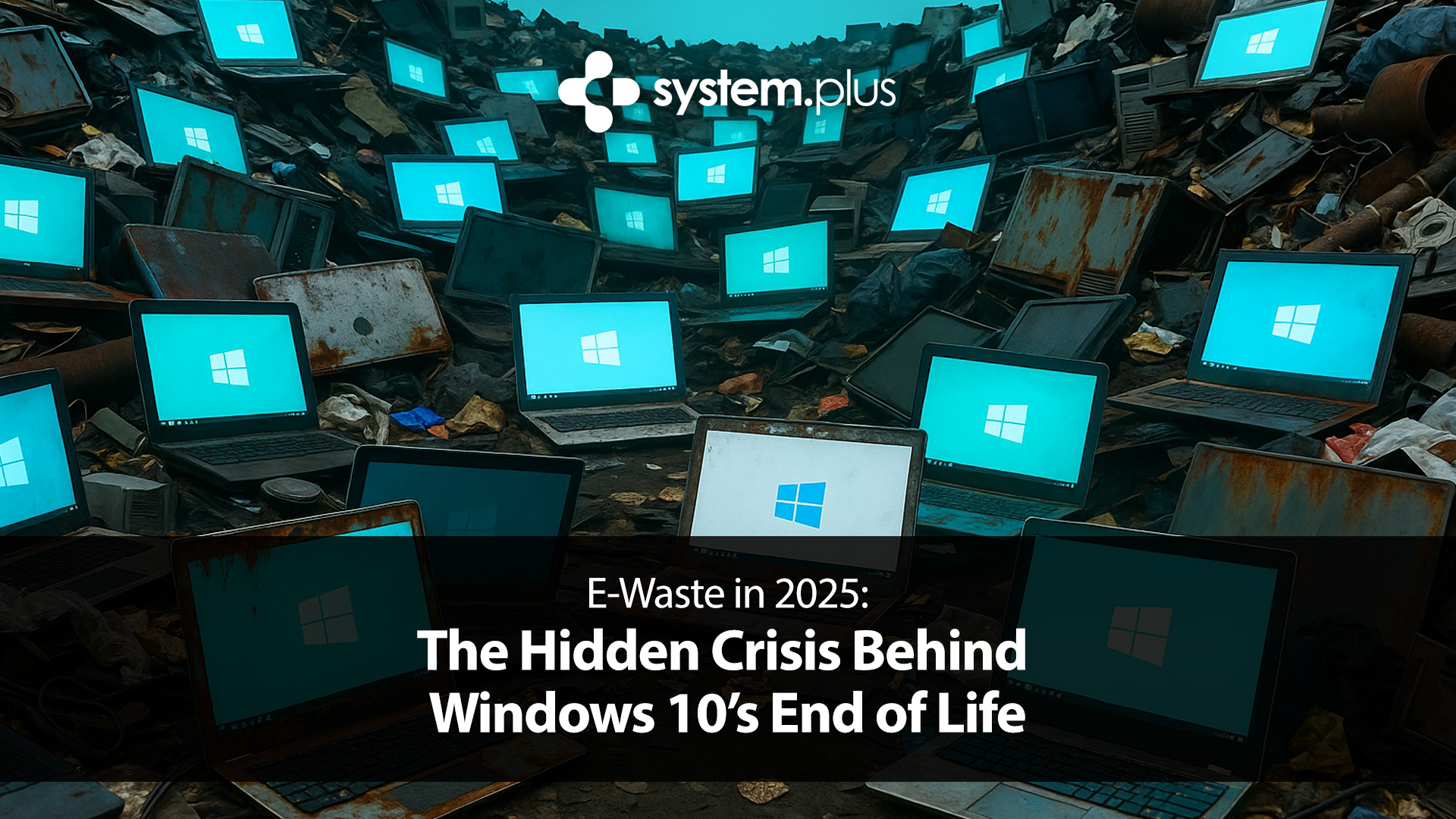
E-Waste in 2025: The Hidden Crisis Behind Windows 10’s End of Life
Why Windows 10 End of Life Has Created a Mountain of Waste We Can’t Ignore
When Microsoft brought Windows 10 to an end, the immediate worry for most businesses was software, downtime and compatibility. What many didn’t realise is that this single decision helped push us deeper into a much bigger issue: electronic waste, the fastest-growing waste stream on Earth.
And it isn’t a small problem.
The world generated 62 million tonnes of e-waste in 2022 alone, the largest amount ever recorded. Only 22% of it was properly recycled. The rest was dumped, exported or handled unsafely.
Windows 10 reaching EOL didn’t create the crisis, but it certainly poured fuel on it.
Why Windows 10 EOL Created an Explosion of E-Waste
Millions of machines around the world could technically continue working, but EOL changes the rules:
- No more security patches
- Higher insurance risk
- Modern apps stop supporting outdated systems
- Slower performance over time
- Windows 11 requires newer CPUs and TPM 2.0
As a result, tens of millions of devices, still functioning, were pushed out of service.
And here’s the scale of the environment they are entering:
- The UK produces around 6 million tonnes of e-waste every single year.
- Per person, that’s around 9 kg of discarded electronics.
- And of the UK’s waste, only about 30% is properly recycled, the rest is lost, landfilled or informally processed.
So when businesses replace fleets of Windows 10 PCs at once, it adds to an already overflowing waste stream.
What Actually Happens to E-Waste? (It’s Not as Green as You Think)
We all like to imagine the recycling process is clean, controlled and efficient. The reality is much messier.
Most e-waste never gets recycled
Globally, nearly 48 million tonnes of electronic waste each year is not recycled properly. That means:
- Landfills
- Burning
- Open-air dumping
- Shipments abroad labelled as “reusable electronics” but destined for unsafe environments
Once shipped, much of it is burnt to extract metals, releasing toxic chemicals into soil and water supplies.
We’re losing valuable materials
Inside every old laptop or PC tower are recoverable materials:
- Copper
- Gold
- Silver
- Palladium
- Cobalt
- Rare earth elements
But recovering them safely is expensive. So most devices are shredded and separated into low-grade mixed materials instead of being properly reclaimed.
A modern laptop can contain dozens of elements from across the periodic table, and when it goes to landfill, all of that value is lost.
Plastics and chemicals remain the hidden danger
Circuit boards contain:
- Lead
- Mercury
- Brominated flame retardants
- Cadmium
When a device ends up in landfill, rainwater carries these chemicals into soil and waterways.
Old batteries are an even bigger risk: they are responsible for hundreds of fires in recycling centres and waste lorries every year.
The Environmental Impact: The Part We Never See
Replacing hardware isn’t just about disposal. It’s about everything required to make the replacement.
Mining and materials
Manufacturing electronics depends on mining operations that damage ecosystems and often rely on poor labour conditions.
It can take hundreds of kilograms of raw materials and thousands of litres of water to produce a single laptop.
Manufacturing and emissions
Electronic production is carbon intensive:
- CO₂ emissions
- Heavy metal contamination
- Water pollution
- Enormous electricity usage
By replacing millions of machines at once due to Windows 10 EOL, we multiply the footprint of manufacturing.
Global shipping
Almost every device crosses continents before reaching the UK.
Add packaging, logistics, container ships and road transport, and the environmental cost grows even further.
4. The Hidden Local Impact
Even here in East Yorkshire, we see the consequences up close:
- Businesses storing old kit “just in case,” turning stock rooms into e-waste cupboards
- Devices left outside recycling centres (which often means they become general waste)
- Charities overwhelmed with unusable or insecure equipment
- People throwing laptops and printers into general waste because they don’t know the rules
- Businesses unknowingly breaching GDPR by dumping devices without wiping them
This isn’t a distant issue, it’s happening around us, every day.
5. So What’s the Alternative? Practical Answers for Local Businesses
Before a computer becomes waste, there are better options.
Reuse first
Many machines can still serve a purpose:
- Thin clients
- Workshop PCs
- Linux-based systems
- Kiosk devices
- Training machines
- Donated equipment (once securely wiped)
Refurbish before replacing
A simple SSD upgrade and RAM boost can transform an older PC.
We do this regularly and extend devices by years, keeping them out of the waste stream.
Use certified, WEEE-compliant disposal
Never throw computers into skips or household waste.
Proper recyclers:
- Remove hazardous materials safely
- Recover valuable components
- Provide full documentation for audits and GDPR compliance
Plan lifecycle upgrades sensibly
Instead of mass-replacing hardware at once, adopt a rolling refresh:
- Smoother budgeting
- Less disruption
- Less waste
- Lower environmental impact
6. What System Plus Is Doing
At System Plus, we take responsibility seriously. For our customers and our own equipment, we handle:
- Secure data destruction (so nothing leaves with recoverable data)
- Refurbishment and resale of viable devices
- WEEE-compliant recycling through accredited partners
- Lifecycle planning to avoid mass waste events
- Honest advice on whether hardware really needs replacing or can be extended
This helps reduce the environmental impact while keeping costs sensible for local businesses.
Final Thoughts
Windows 10 EOL has brought the e-waste conversation to the surface, but the numbers were already shocking:
- 62 million tonnes of global e-waste in 2022
- Only 22% recycled
- The UK producing 6 million tonnes annually
- Around 70% of our own e-waste not being handled properly
This isn’t just an IT issue, it’s an environmental one.
Every machine we replace has a story before it reaches us and a legacy after it leaves. As businesses, we have more control than we think. And as a local IT partner, we’ll always encourage the approach that protects both your data and the planet.
If you’ve got piles of old hardware or you’re unsure what to do post-Windows 10, we can help — safely, securely and responsibly.
Share this:

Discover more from System Plus
Subscribe to get the latest posts sent to your email.