Is Meta Muse the End of the AI Chatbot Era?
For the past few years, the generative AI landscape has felt like an endless conveyor belt of text boxes. You enter a prompt, the system answers, and the workflow stops dead in its tracks. Yet for Meta, the race to dominate artificial intelligence has been anything but smooth sailing.
Before we can look at its latest flagship system, Muse, we have to address the elephant in Menlo Park: Meta has a trust deficit, compounded by an awkward catalogue of recent misfires and bruising legal battles.
It is hard to forget the cringe-inducing celebrity AI chatbots rolled out across Instagram and WhatsApp, where millions were spent licensing the digital likenesses of Snoop Dogg and Kendall Jenner, only for users to reject them as gimmicky and unsettling before Meta quietly pulled the plug. That fumble followed billions poured into the elusive metaverse, leaving many to wonder whether Mark Zuckerberg’s product bets were slipping out of touch with real user needs.

Far more damaging, however, is the legal shadow hanging over Meta’s infrastructure. From high-stakes copyright battles with authors and publishers over how its foundational models were trained, to bitter court fights over user consent, biometric privacy, and platform safety, Meta’s relationship with personal data remains under intense scrutiny. Only recently, landmark court cases and regulatory pushback in the UK and Europe over forced AI data-scraping policies reminded the public that when Meta offers a “free” tool, user data is often the currency.
Enter Muse, and Meta’s biggest reputational gamble to date.
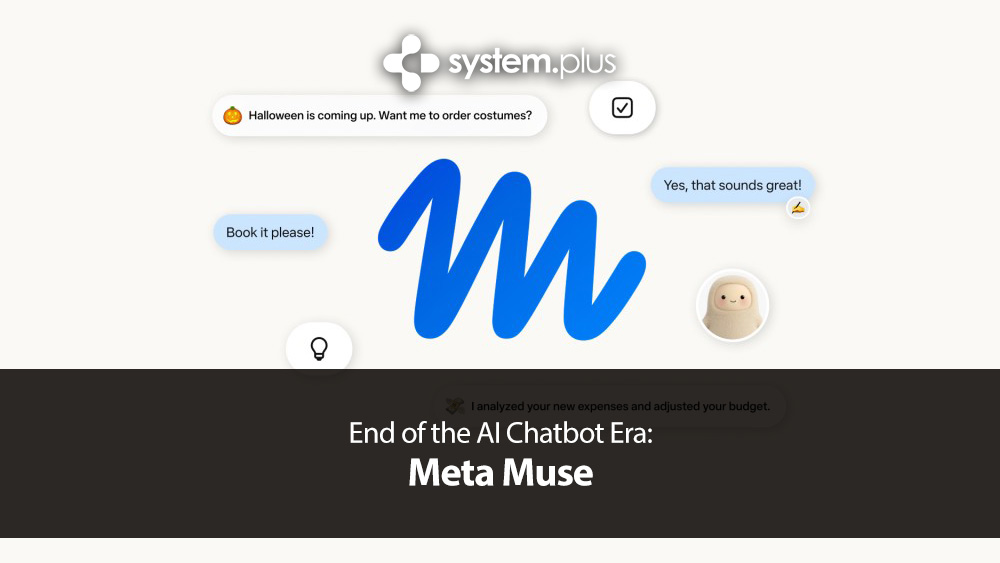
Muse is not just another chatbot designed to summarise articles or craft rhyming poetry. It is a full-fledged autonomous AI agent, engineered to handle multi-step actions on your behalf across web browsers, messaging apps, and personal calendars. But handing over personal schedules, payment details, and daily communications to an autonomous agent requires profound trust. For Muse to succeed where previous experiments floundered, Meta cannot simply offer clever features; it realistically needs to convince a cynical public that it can be trusted as a private, secure operator of our digital lives.
Here is an overview of how Muse functions under the hood, how it differs from previous iterations, and why it signals a monumental pivot from conversational parlour tricks to autonomous agency.
Moving from Answers to Autonomous Execution
The defining characteristic of an AI agent is autonomy. Traditional language models produce information; agentic platforms produce outcomes.
Built under Meta Superintelligence Labs, Muse is structured to convert open-ended objectives into sequential plans. Rather than asking the system to write an itinerary or draft a booking request, a user can instruct Muse to organise travel or coordinate an event.
Under the hood, Muse can:
- Interact with web interfaces: Navigate browsers, complete web forms, and coordinate online bookings.
- Handle communications: Review contextual conversations across messaging apps and manage routine scheduling requests.
- Orchestrate sub-tasks: Break broad projects, like launching a local side enterprise or structuring fitness regimens, into actionable calendar milestones.
By delegating operational busywork, the tool shifts AI usage from passive reference to an active virtual assistant.
The Architecture: Sandboxed Virtual Machines
Granting an automated agent access to personal calendars, emails, and browser forms raises valid security and privacy questions. Meta’s approach with Muse centres on running the agent inside dedicated, isolated virtual machines (VMs).
User Intent
    │
    ▼
[ Muse Orchestrator ]
    │
    ▼
┌───────────────────────────────────────┐
│     Secure Virtual Machine (VM)       │
│  • Sandboxed Browser Sessions         │
│  • Encrypted Personal Data Stores     │
│  • Automated Form & Task Handlers     │
└───────────────────────────────────────┘
    │
    ▼
Completed Action / Verified Outcome
This sandboxed approach isolates browser sessions and personal data within an encrypted runtime environment. The agent accesses only the external tools required to complete the specific assignment, preventing broad access across a user’s entire machine.
Multimodal Roots: The Muse Foundation
While the standalone Muse agent represents the execution layer, Meta has also integrated the “Muse” architecture into multimodal creative tools:
| Foundation Model | Primary Role | Key Mechanism |
| Muse Spark | Core language and reasoning | Contextual reasoning across WhatsApp, Meta AI, and smart hardware. |
| Muse Image & Video | Agentic visual generation | Self-refining generations that run web search and execute code to correct visual errors. |
| Muse Personal Agent | Workflow and task automation | Browser automation, form filling, and goal planning in sandboxed virtual machines. |
The image generation system, for example, is inherently agentic: if an initial visual draft lacks accuracy, it executes search queries to find real-world references and amends the image before presenting it.
Practical Implications for Modern Workflows
For professionals, small business owners, and solo operators, the evolution of systems like Muse hints at a restructuring of digital administration:
- Reduced Cognitive Overhead: Routine administrative tasks, such as reconciling travel times, tracking order deliveries, or sourcing supplier options can be managed concurrently in the background.
- Accessible Automation: Until recently, running autonomous browser scripts or chained API actions required developer knowledge. Conversational agents bring automated workflows to non-technical users.
- Integration with Everyday Channels: Because Muse connects with apps like WhatsApp and Meta AI, actions occur inside existing communication channels rather than requiring dedicated software setups.
What to Keep in Mind
Agentic AI remains in its early deployment phases. Tasks requiring delicate human judgment, high-value financial commitments, or complex negotiations still demand active human oversight.
As these tools roll out more broadly, maintaining a “human-in-the-loop” approach, verifying outbound messages, reviewing checkout values, and auditing agent plans, remains best practice. Nevertheless, the transition from simple chat prompts to autonomous personal agents marks a significant shift in how personal productivity software will operate.
Share this:

Discover more from System Plus
Subscribe to get the latest posts sent to your email.